
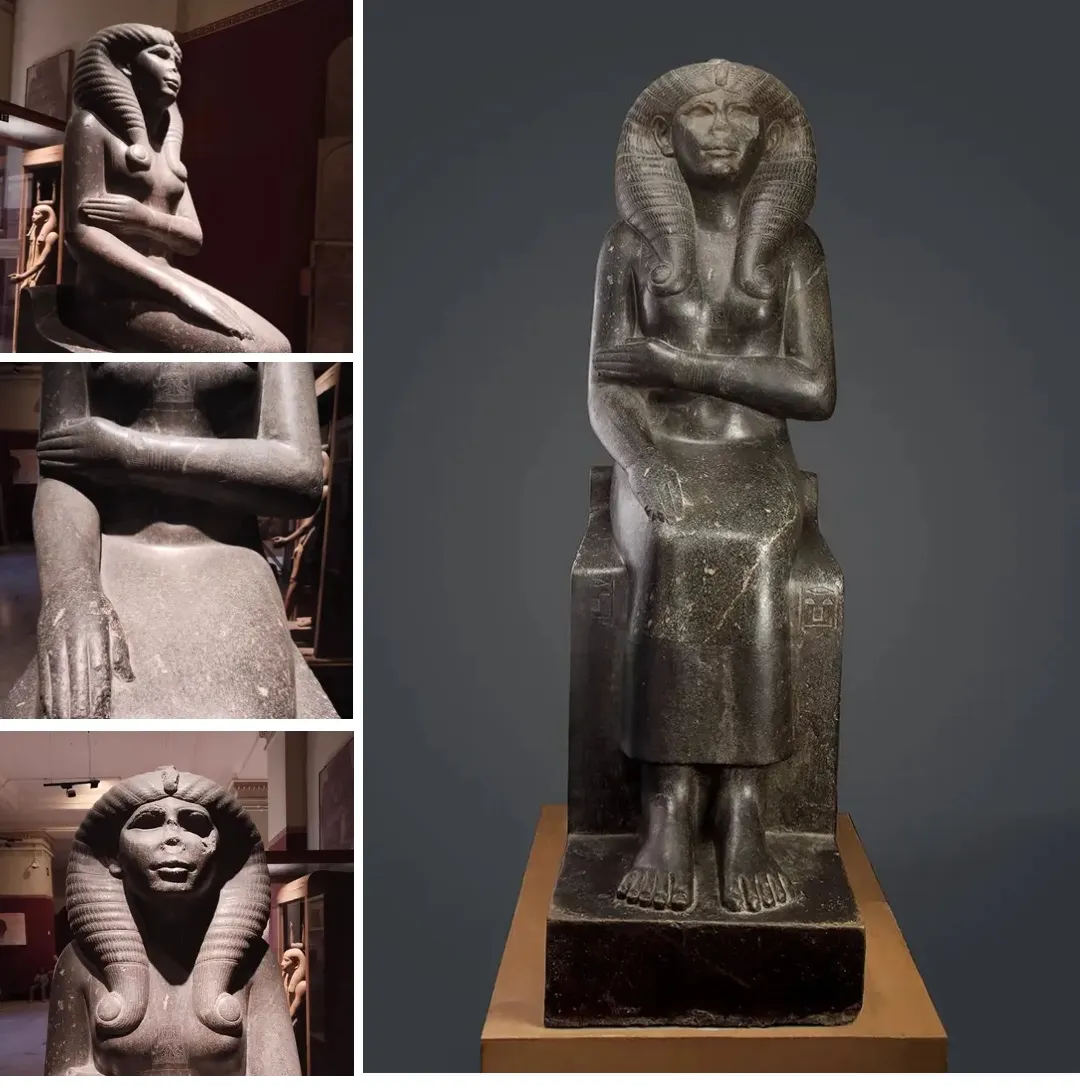
كتب يحي الداخلى يستقر في قلب المتحف المصري بالقاهرة، وتحديداً في قاعات الطابق الأرضي، واحد من أبدع شواهد عصر الدولة الوسطى
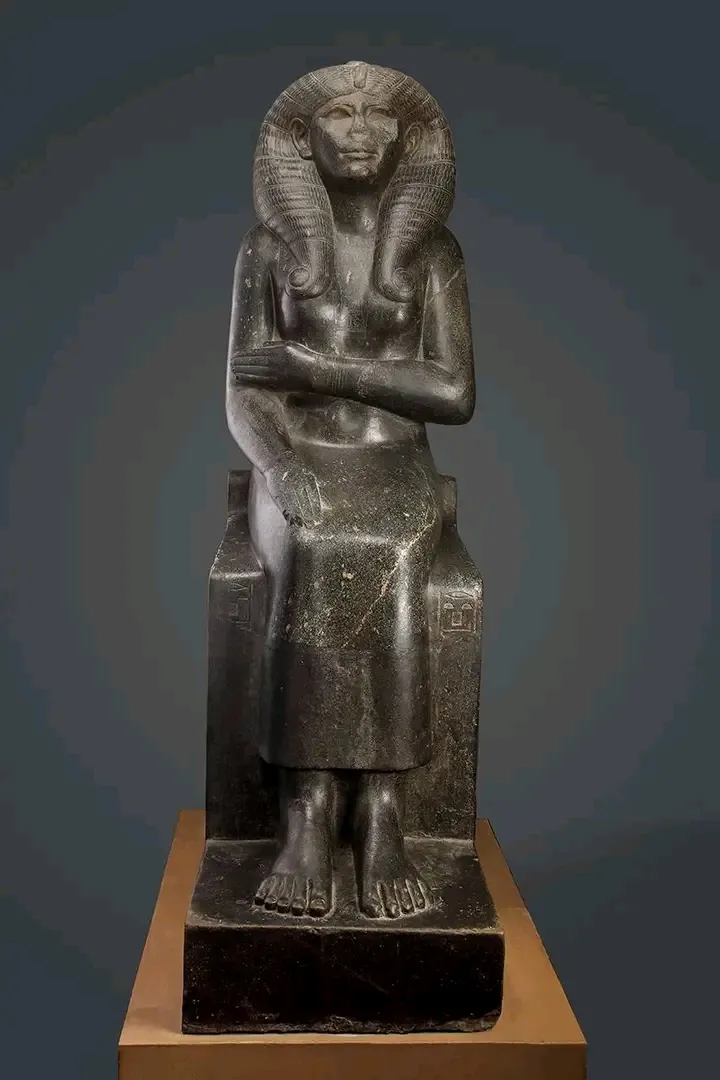
؛ وهو تمثال الملكة "نفرت" زوجة الملك سنوسرت الثاني. يعود هذا الأثر الفريد إلى الأسرة الثانية عشرة، وبالتحديد في الفترة ما بين 1985 و1773 قبل الميلاد، حيث يجسد التمثال المصنوع من مادة "جرانيت ديوريت" الصلبة ملامح الوقار الملكي والجمال المصري القديم، وقد كُشف عنه النقاب في منطقة "سان الحجر" عام 1860 بجهود عالم الآثار مارييت لصالح دائرة الآثار المصرية.
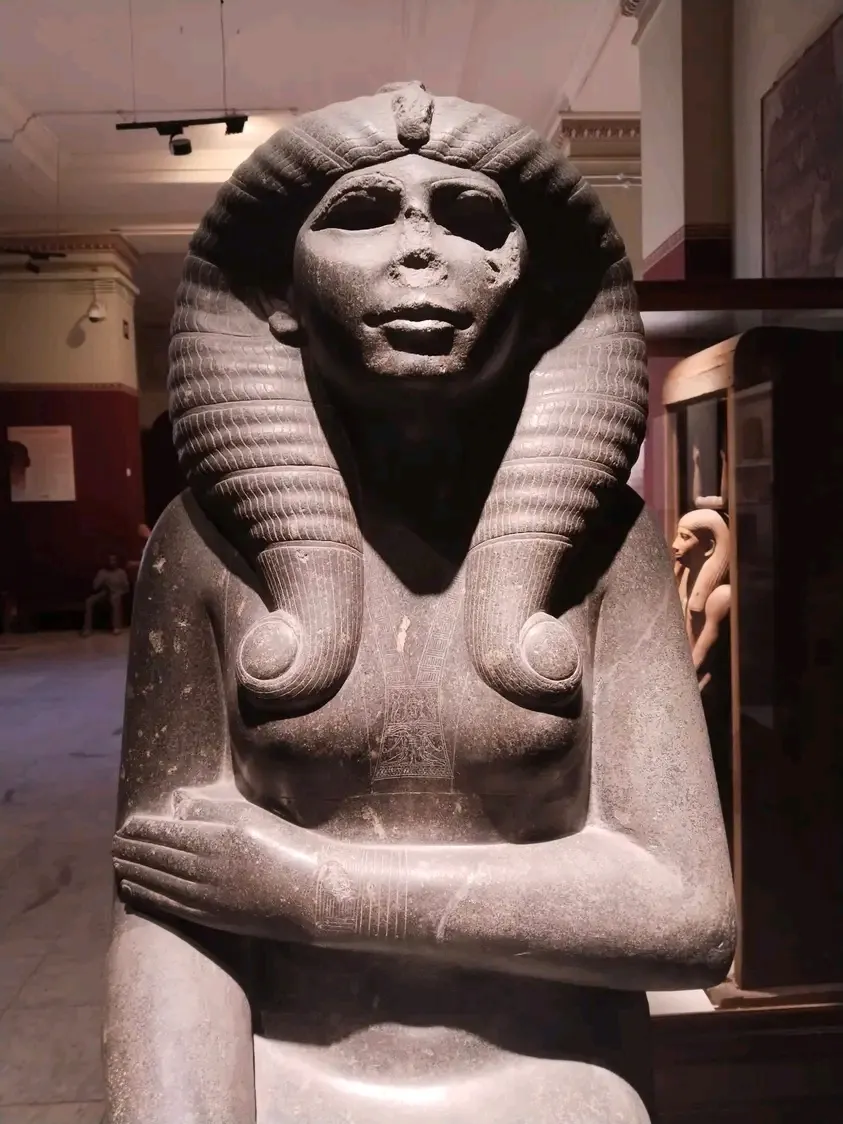
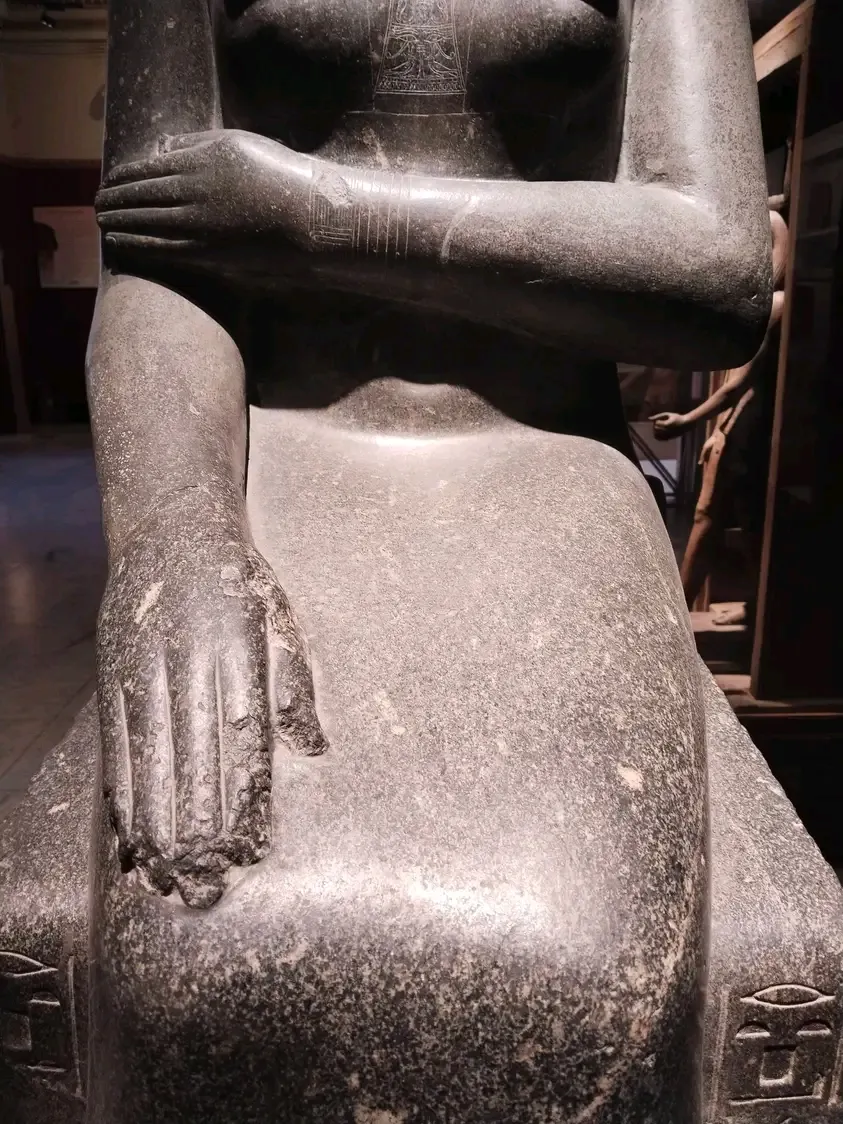
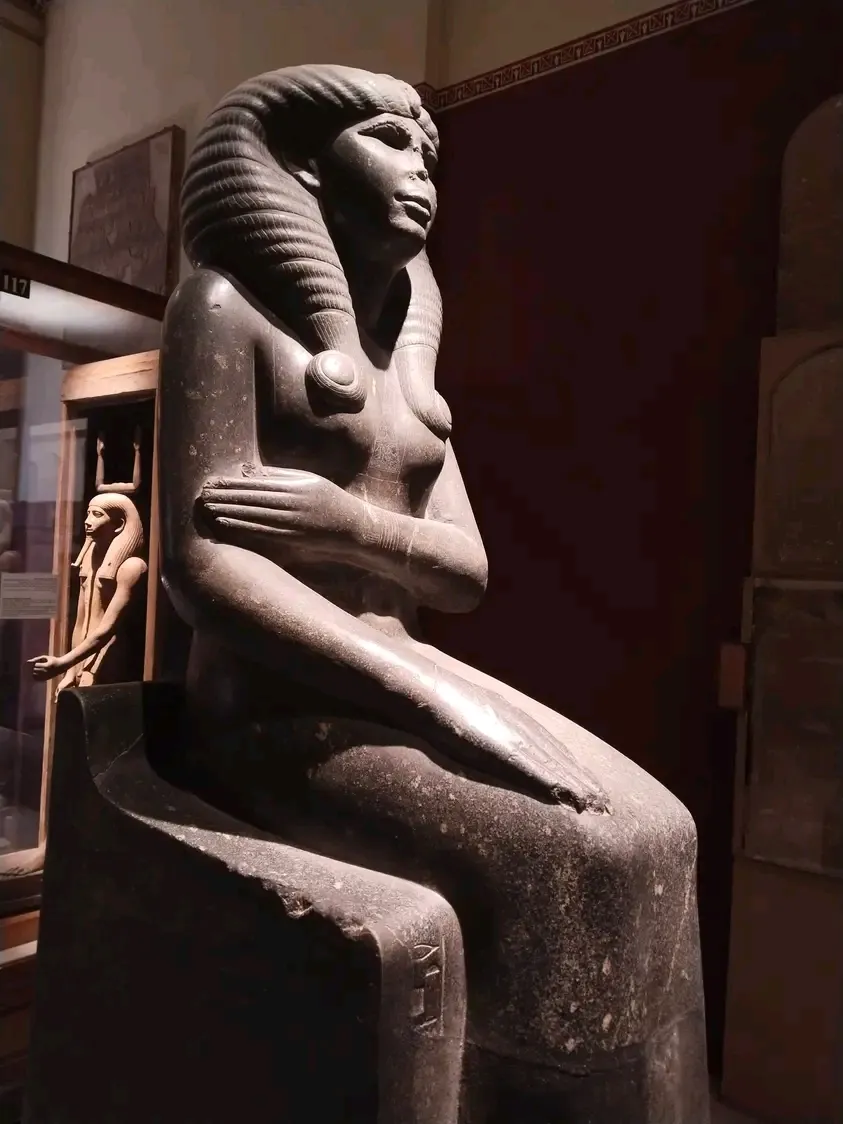
تظهر الملكة في هذا العمل الفني، الذي يبلغ ارتفاعه 165 سم، وهي جالسة في وضعية مهيبة على كرسي منخفض الظهر، حيث تضع يدها اليمنى مفرودة على فخذها بينما تنثني ذراعها اليسرى برقة لتلمس ذراعها اليمنى. وتتألق نفرت بإطلالة ملكية تعكس مكانتها؛ إذ ترتدي ثوباً ضيقاً يبرز تفاصيل القوام، وتتزين بصديرية تحمل اسم زوجها الملك "خاخبر رع" (سنوسرت الثاني)، بالإضافة إلى الشعر المستعار الثقيل المميز للطراز الحتحوري، والمزين بزمام الأفعى الذي يرمز للحماية والسلطة.
وعلى الرغم من عوامل الزمن التي تسببت في كسر الأنف وفقدان بعض الأجزاء، فقد خضع التمثال لعملية ترميم دقيقة شملت إعادة بناء الذراعين والبطن والجزء السفلي من الساقين، وذلك استناداً إلى تمثال مطابق تماماً للملكة يحمل الرقم (CG 382). كما يحمل العرش نقوشاً هيروغليفية رأسية تحيط بساقي الملكة، وبالرغم من ضياع معظم هذه النصوص، إلا أنها تظل شاهدة على ألقاب الملكة "نفرت" واسمها الذي خلدته الحضارة المصرية عبر آلاف السنين.
تابعونا لمعرفة المزيد عن كنوز الحضارة المصرية.
Nestled in the Egyptian Museum in Cairo, specifically within the ground floor galleries, stands a magnificent testament to the Middle Kingdom: the statue of Queen Nofret, wife of King Senusret II. This unique artifact dates back to the Twelfth Dynasty (circa 1985–1773 BC). Carved from resilient diorite granite, the statue embodies royal dignity and ancient Egyptian aesthetic ideals. It was unearthed at Tanis (San el-Hagar) in 1860 during excavations led by Auguste Mariette for the Egyptian Antiquities Service.
In this masterpiece, which stands 165 cm tall, the Queen is depicted in a majestic seated pose on a low-backed throne. Her right hand rests flat on her thigh, while her left arm is gracefully bent at the elbow, reaching across to touch her right arm just below the bicep. Nofret’s royal attire reflects her high status; she wears a form-fitting sheath dress and a pectoral bearing the throne name of her husband, Khakheperre (Senusret II). She is also adorned with a heavy Hathoric wig, featuring the protective uraeus (sacred cobra) symbolizing sovereignty and divine protection.
Despite the passage of time—which resulted in a broken nose and the loss of several sections—the statue underwent a meticulous restoration process. The upper left arm, lower right arm, abdomen, and the lower portion from the mid-calf down were reconstructed based on a nearly identical statue of the Queen (CG 382). Vertical columns of hieroglyphs are inscribed on the front of the throne flanking the Queen’s legs; although much of the text is now lost, these inscriptions originally preserved the names and titles of Queen Nofret, immortalizing her legacy within Egyptian civilization for millennia.
Follow us to discover more treasures of Egyptian civilization.
#المتحف_المصري #آثار_مصر #الحضارة_المصرية #مصر_القديمة #تاريخ_مصر #الملكة_نفرت #الدولة_الوسطى #كنوز_مصر #تحيا_مصر #فن_مصري_قديم
#EgyptianMuseum #AncientEgypt #EgyptianHistory #QueenNofret
البوم الصور
اترك تعليقًا

آخر المقالات



اشترك في النشرة الإخبارية
احصل على آخر الأخبار في صندوق البريد الوارد الخاص بك

اشترك في النشرة الإخبارية
الأكثر مشاهدة
عرب

نماذج مشرفة

فن
أخبار مصر

المؤشرات

-
- سياسة
- أعمال
- إقتصاد
- العالم
- رياضة
- صحة
- علوم
- منوعات
- المعرض
- الصور
- الفيديو
- أزياء
- أخبار مصر
- محافظات
- مقالات
- فن
- عاجل
- حوادث
- مطبخ
- مرأة
- ثقافة
- ديني
- تعليم
- عرب
- جامعات
- طقس
- اشعار وخواطر
- بنوك
- برقيات
- شركات
- سيارات
- أدب
- أسواق
- أخبار
- حوار
- أحزاب
- نماذج مشرفة
- تقارير وتحقيقات
- قضايا
- تصريح
- العملات
- صناديق المؤشرات
- الاسهم
- العملات الرقمية
- شهادات
- السندات
- صناديق
- المؤشرات
- السلع
- التضخم
- تحليل أخبارية
- إتصل بنا
التعليقات الأخيرة