
أخبار عاجلة
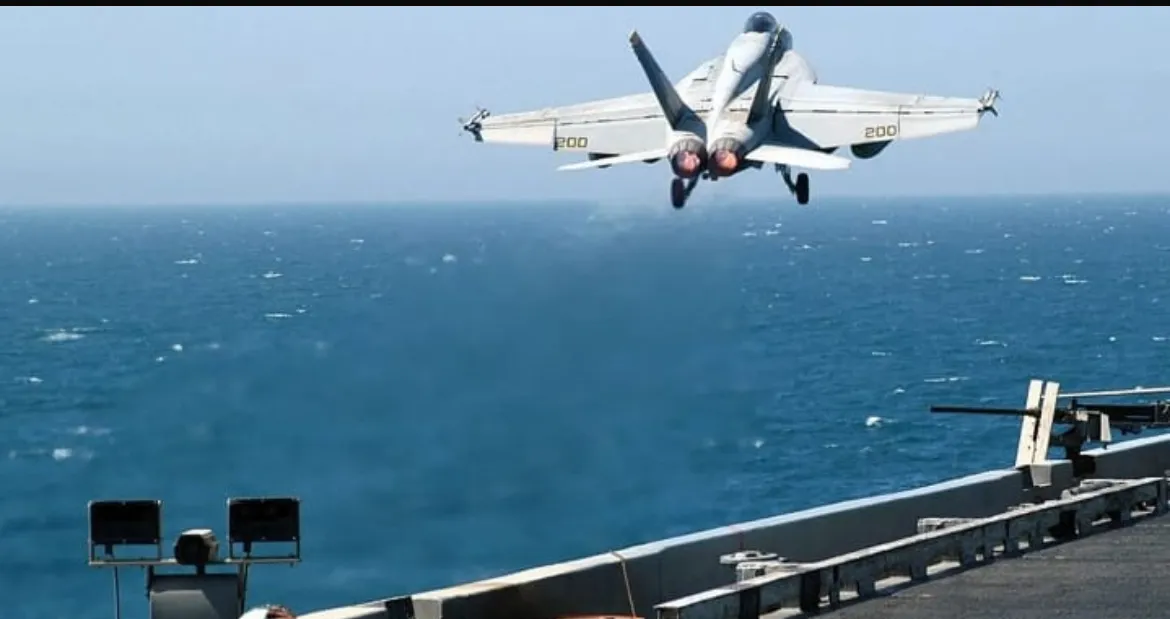
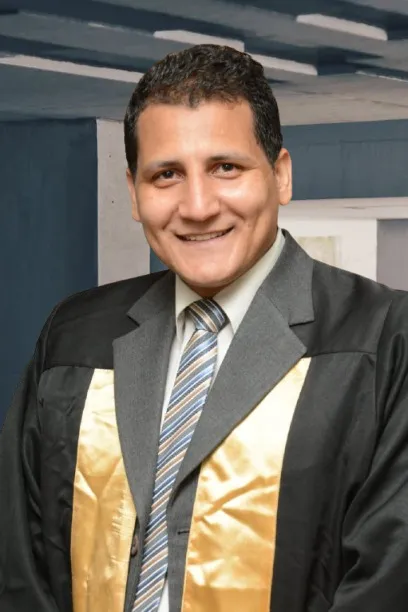
Journalist Dr. Magdi Kamel ElHawary writes : When will the anticipated American strike on Iran occur? And a political call from Mohammed bin Zayed to the Iranian president.
Journalist Dr. Magdi Kamel ElHawary writes : When will the anticipated American strike on Iran occur? And a political call from Mohammed bin Zayed to the Iranian president.
Analysis suggests that if Washington does not launch an attack on Iran between the time of writing and publication, the possibility of such an attack remains within a short timeframe.
While there are no definitive confirmations regarding the timing or inevitability of an attack, several indicators point to this scenario being a real possibility.
It is also worth noting that Iran has escalated its threats, announcing its intention to conduct a naval exercise in the Strait of Hormuz and potentially disrupt or close maritime traffic.
Any infringement on freedom of navigation in this strategic waterway is considered a red line that the United States cannot ignore, as failing to respond to such a move could be interpreted as a retreat from its international role.
This coincides with the reinforcement of the American military presence by air and sea, with the continued arrival of naval vessels, refueling aircraft, and fighter jets in the region.
The analysis confirms that American capabilities far surpass Israeli capabilities, even though Tehran has recently experienced Israeli power and felt its impact.
On the Israeli front, the air force is on high alert, both defensively and Offensively, at a time when Israel is officially trying to avoid being drawn into a direct confrontation with Iran.
However, Tel Aviv informed Washington that it would respond forcefully to any direct Iranian attack, especially if it were targeted with ballistic missiles.
In this context, the head of Israeli military intelligence visited Washington, where he presented what were described as important information to the American side.
A meeting also took place between the commander of U.S. Central Command and senior Israeli military officials, including the Chief of Staff and the Air Force Commander.
Israeli preparations are not limited to Iran, but also include the possibility of action by its allies in the region. Israel is raising its readiness in the north and south, emphasizing its ability to move quickly, both defensively and offensively, against potential threats from Yemen, Iraq, or Syria, in addition to the Lebanese front.
The question is no longer whether a confrontation with Iran will occur, but when it will erupt and what form it will take, given the assessment that Iran will not be the only party in any future conflict.
Sheikh Mohammed bin Zayed Al Nahyan, President of the United Arab Emirates, also made a phone call today, Friday. Sheikh Mohamed bin Zayed Al Nahyan spoke by phone with Iranian President Masoud Pezeshkian.
During the call, Sheikh Mohamed and President Pezeshkian discussed bilateral relations and ways to strengthen them in a manner that serves their common interests and benefits their people.
They also reviewed a number of regional and international issues of mutual concern, most notably developments in the region and the efforts being made to address them.
In this context, Sheikh Mohamed bin Zayed Al Nahyan affirmed the UAE's commitment to supporting all efforts and initiatives aimed at consolidating regional security and stability for the benefit of all the region's peoples and countries.
Both sides emphasized the importance of strengthening dialogue and diplomatic solutions in addressing various issues in order to contribute to maintaining the region's security and stability.
اترك تعليقًا
آخر المقالات


اشترك في النشرة الإخبارية
احصل على آخر الأخبار في صندوق البريد الوارد الخاص بك

اشترك في النشرة الإخبارية
الأكثر مشاهدة
عرب

نماذج مشرفة
فن
أخبار مصر
المؤشرات
-
- سياسة
- أعمال
- إقتصاد
- العالم
- رياضة
- صحة
- علوم
- منوعات
- المعرض
- الصور
- الفيديو
- أزياء
- أخبار مصر
- محافظات
- مقالات
- فن
- عاجل
- حوادث
- مطبخ
- مرأة
- ثقافة
- ديني
- تعليم
- عرب
- جامعات
- طقس
- اشعار وخواطر
- بنوك
- برقيات
- شركات
- سيارات
- أدب
- أسواق
- أخبار
- حوار
- أحزاب
- نماذج مشرفة
- تقارير وتحقيقات
- قضايا
- تصريح
- العملات
- صناديق المؤشرات
- الاسهم
- العملات الرقمية
- شهادات
- السندات
- صناديق
- المؤشرات
- السلع
- التضخم
- تحليل أخبارية
- إتصل بنا
التعليقات الأخيرة