
أخبار عاجلة

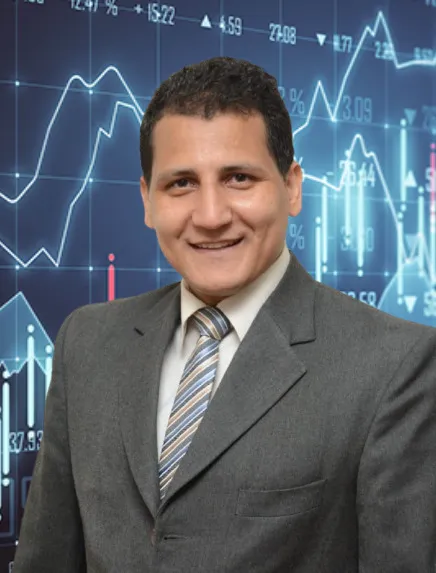
Dr. Magdy Kamel El-Hawary Writes: " جريده الأضواء المصريه "
Dr. Magdy Kamel El-Hawary Writes:
Psychological Poverty… When a Person Owns Everything but Themselves
In a world where wealth accumulates, degrees multiply, and images glitter across smartphone screens, a new form of poverty is emerging — not poverty of the pocket, but poverty of the soul.
Psychological poverty is far more dangerous than financial hardship. The financially poor know what they lack. The psychologically poor do not. They live under the illusion of completeness while carrying an immense internal void that consumes every achievement.
We encounter individuals who own luxurious homes, modern cars, and overflowing bank accounts, yet lack inner peace. They lack contentment. They lack meaning. And here begins the silent tragedy.
What Is Psychological Poverty?
Psychological poverty is a persistent sense of deficiency despite available resources.
It is a constant need for applause, attention, and validation.
It is the unhealthy habit of comparison — measuring human worth by the number of followers rather than by the depth of values.
German social psychologist Erich Fromm once described the transformation of modern man from “being” to “having,” losing the self while chasing possessions.
Austrian psychiatrist Viktor Frankl spoke of the “existential vacuum” that afflicts individuals when meaning disappears — even when comfort remains.
Psychological poverty, therefore, is not a lack of money; it is a collapse of inner value and purpose.
The Imaginary Delusion… A Mind Manufacturing Escape
Imaginary delusion is the other side of the coin.
It is when a person constructs a parallel world inside their mind — living either as an absolute hero or as a perpetual victim.
They imagine conspiracies that do not exist.
They celebrate successes that never occurred.
They perceive universal hostility — or universal admiration.
This is not healthy imagination. It is an escape from confronting reality.
It is a free psychological sedative.
In the age of digital platforms, imaginary delusion has become an industry. Filtered images. Curated stories. Manufactured perfection. Social media platforms such as Instagram and TikTok have created the ideal environment to feed this illusion, presenting only the most glamorous moments of life. The viewer then assumes that everyone else is living in paradise — except themselves.
And thus, psychological poverty deepens.
The Relationship Between Psychological Poverty and Imaginary Delusion
The psychologically poor seek compensation.
Imaginary delusion offers temporary relief.
The greater the internal sense of inadequacy, the stronger the escape into fantasy.
The further the distance from reality, the deeper the inner poverty.
It becomes a closed cycle:
Deficiency → Illusion → Detachment from Reality → Greater Deficiency.
The Most Dangerous Consequences
Fragile decision-making
Extreme sensitivity to criticism
Defensive aggression
Rapid collapse at the first sign of failure
Obsessive attachment to public image
Left unaddressed, this cycle may evolve into serious psychological disorders.
Breaking the Cycle
Redefining success as internal growth rather than public display.
Reducing unhealthy comparisons.
Acknowledging personal limitations instead of denying them.
Seeking genuine meaning rather than superficial appearance.
Strengthening self-awareness.
True strength lies not in appearing wealthy —
but in being internally sufficient.
Final Word
Financial poverty may be addressed by governments.
Psychological poverty can only be treated by awareness.
Imaginary delusion may grant you heroism inside your mind, but it robs you of heroism in reality.
Let us remember:
Not everyone who smiles is happy.
Not everyone who owns is rich.
Not everyone who imagines truly lives.
اترك تعليقًا

آخر المقالات




اشترك في النشرة الإخبارية
احصل على آخر الأخبار في صندوق البريد الوارد الخاص بك

اشترك في النشرة الإخبارية
الأكثر مشاهدة
عرب

نماذج مشرفة

فن

أخبار مصر

المؤشرات
-
- سياسة
- أعمال
- إقتصاد
- العالم
- رياضة
- صحة
- علوم
- منوعات
- المعرض
- الصور
- الفيديو
- أزياء
- أخبار مصر
- محافظات
- مقالات
- فن
- عاجل
- حوادث
- مطبخ
- مرأة
- ثقافة
- ديني
- تعليم
- عرب
- جامعات
- طقس
- اشعار وخواطر
- بنوك
- برقيات
- شركات
- سيارات
- أدب
- أسواق
- أخبار
- حوار
- أحزاب
- نماذج مشرفة
- تقارير وتحقيقات
- قضايا
- تصريح
- العملات
- صناديق المؤشرات
- الاسهم
- العملات الرقمية
- شهادات
- السندات
- صناديق
- المؤشرات
- السلع
- التضخم
- تحليل أخبارية
- إتصل بنا
التعليقات الأخيرة