
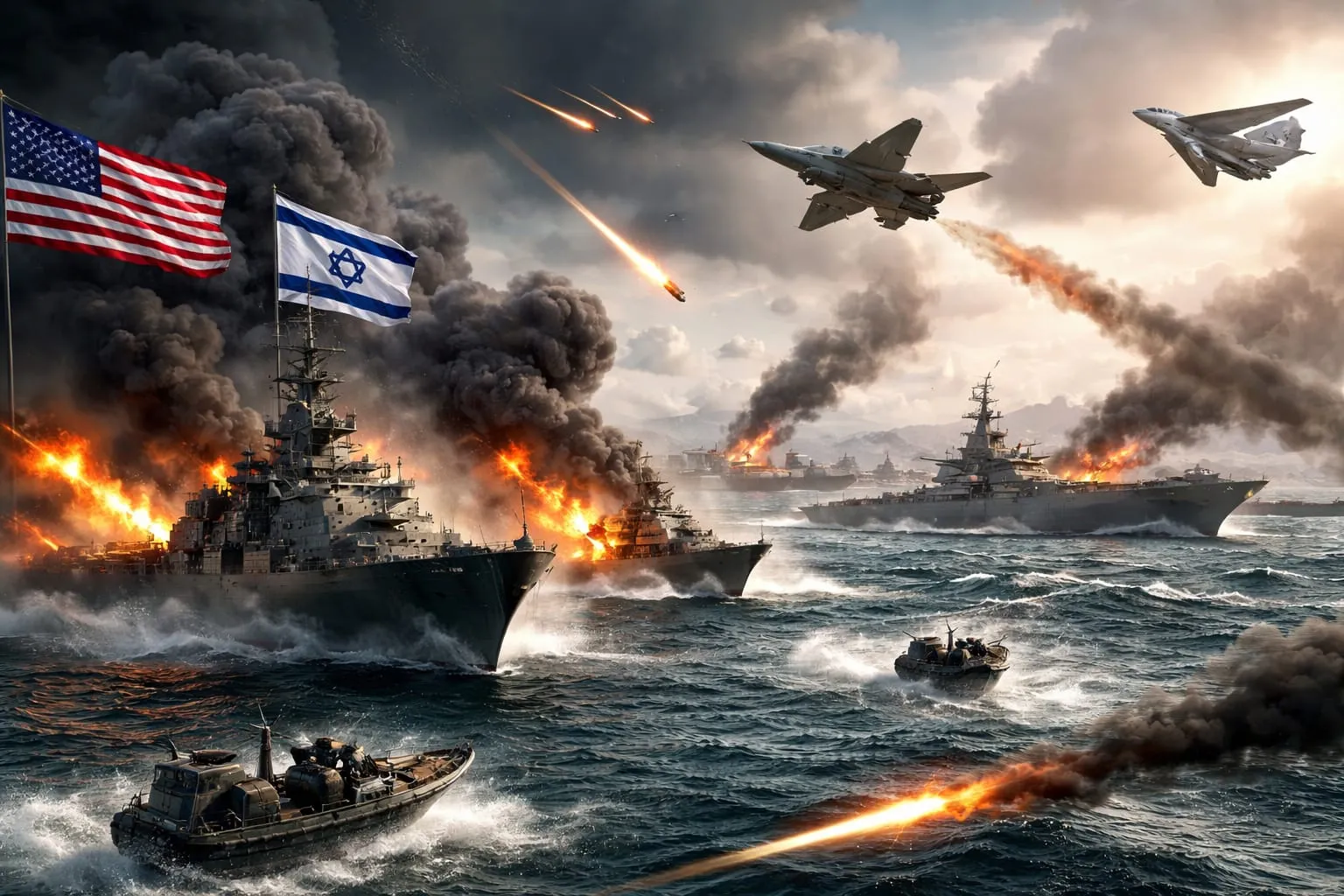
Dr. Magdy Kamel Elhwary writes: What Comes After the Failure of U.S.-Iran Negotiations in Islamabad?
In a highly complex political landscape, the latest round of negotiations between the United States and Iran in Islamabad ended without any tangible breakthrough, opening the door to a more dangerous phase that may go beyond diplomacy toward potential confrontation.
This outcome was not unexpected. It reflects the deep divide between the two sides, particularly over Iran’s nuclear program, economic sanctions, and its regional influence. Washington seeks to limit Tehran’s power, while Iran views any concession at this stage as an unacceptable strategic retreat.
Despite the lack of progress, the talks carried implicit messages—most importantly, that communication channels remain open and that both sides still prefer managing the conflict rather than engaging in direct confrontation. However, the trajectory of events suggests a gradual shift toward more aggressive scenarios.
From Negotiation to the Edge of Confrontation
Current indicators point to a possible strategic shift in the region, where the conflict is no longer confined to political or economic pressure, but is increasingly moving toward limited military scenarios that could escalate at any moment.
The most critical question now emerges:
Are We Heading Toward a War to Secure the Strait of Hormuz?
The Strait of Hormuz is one of the world’s most vital energy corridors, through which a significant portion of global oil supplies passes. Any disruption would trigger severe global economic consequences.
In this context, a potential scenario is taking shape in which the United States, in coordination with Israel, may initiate military action aimed at reducing Iran’s ability to threaten maritime navigation in the strait. This could involve targeted strikes or broader operations.
However, such a scenario would come at a high cost.
Iran’s Response: A Deterrence Equation
Any military move is likely to provoke a strong Iranian response, which could include:
- Direct threats to close the Strait of Hormuz
- Escalation through regional allies
- Targeting U.S. interests across multiple locations
This would risk transforming a limited confrontation into a wider regional conflict.
The Arab Region at the Center of the Storm
The Gulf region would be on the front line due to its geographic proximity, while countries such as Iraq, Yemen, and Lebanon could become arenas for indirect confrontation.
Meanwhile, the global economy would be among the first to suffer, with the potential for unprecedented spikes in energy prices.
Conclusion: Between Deterrence and Explosion
What we are witnessing is not merely the failure of negotiations, but a possible redrawing of power dynamics in the region. The most dangerous scenario can no longer be ruled out: a military confrontation led by the United States and Israel against Iran under the pretext of securing international navigation in the Strait of Hormuz.
The defining question remains:
Will this confrontation remain controlled and limited… or will it become the spark of a broader regional war that cannot be contained?
اترك تعليقًا

آخر المقالات




اشترك في النشرة الإخبارية
احصل على آخر الأخبار في صندوق البريد الوارد الخاص بك

اشترك في النشرة الإخبارية
الأكثر مشاهدة
عرب

نماذج مشرفة

فن

أخبار مصر

المؤشرات

-
- سياسة
- أعمال
- إقتصاد
- العالم
- رياضة
- صحة
- علوم
- منوعات
- المعرض
- الصور
- الفيديو
- أزياء
- أخبار مصر
- محافظات
- مقالات
- فن
- عاجل
- حوادث
- مطبخ
- مرأة
- ثقافة
- ديني
- تعليم
- عرب
- جامعات
- طقس
- اشعار وخواطر
- بنوك
- برقيات
- شركات
- سيارات
- أدب
- أسواق
- أخبار
- حوار
- أحزاب
- نماذج مشرفة
- تقارير وتحقيقات
- قضايا
- تصريح
- العملات
- صناديق المؤشرات
- الاسهم
- العملات الرقمية
- شهادات
- السندات
- صناديق
- المؤشرات
- السلع
- التضخم
- تحليل أخبارية
- إتصل بنا
التعليقات الأخيرة