
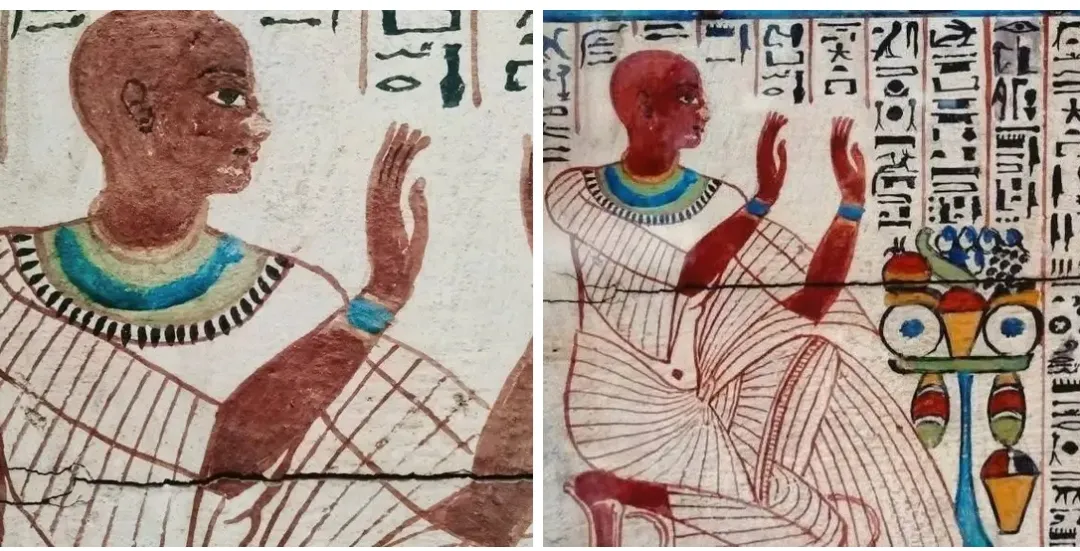
يستعرض المتحف المصري بالقاهرة قطعة أثرية فريدة تتمثل في صندوق تماثيل الأوشابتي الخاص بالمدعو "باخرو"، وهو أحد كبار المسؤولين في عهد الدولة الحديثة.
كتب يحي الداخلى
تكمن أهمية هذه القطعة في كونها سجلاً بصرياً واجتماعياً يوضح المكانة الرفيعة التي حظي بها باخرو في الهيكل الإداري والديني آنذاك، حيث حمل لقب "كبير نجارين أملاك المعبود آمون". هذا المنصب لم يكن مجرد رتبة حرفية، بل كان مسؤولية قيادية رفيعة جعلته المشرف الأول على كافة الأعمال الخشبية الكبرى داخل معبد آمون، وهو ما يعكس نفوذه الواسع وأهمية دوره في صيانة وتجهيز أحد أقدس المواقع الدينية في مصر القديمة.
وتتجلى القيمة العقائدية لهذا الصندوق في كونه نموذجاً متميزاً للأدوات الجنائزية التي كانت ترافق المتوفى لضمان حياة أبدية هانئة. فقد كان المصري القديم يؤمن بأن تماثيل "الأوشابتي" أو "المجيبة" التي توضع داخل هذا الصندوق ستنهض نيابة عنه لأداء أي مهام شاقة أو أعمال زراعية قد تُطلب منه في العالم الآخر. ومن خلال هذا التصور، سعى باخرو وغيره من النبلاء إلى تأمين راحتهم الأبدية وخلودهم، وهو مفهوم يبرز الإيمان الراسخ لدى المصريين القدماء بفكرة الاستمرارية والعمل حتى في الحياة ما بعد الموت، ولكن ضمن إطار يضمن للمتوفى السكينة والرفاهية.
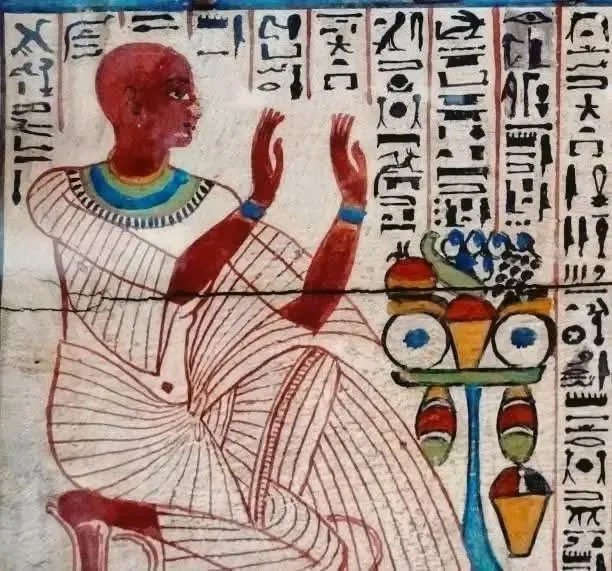
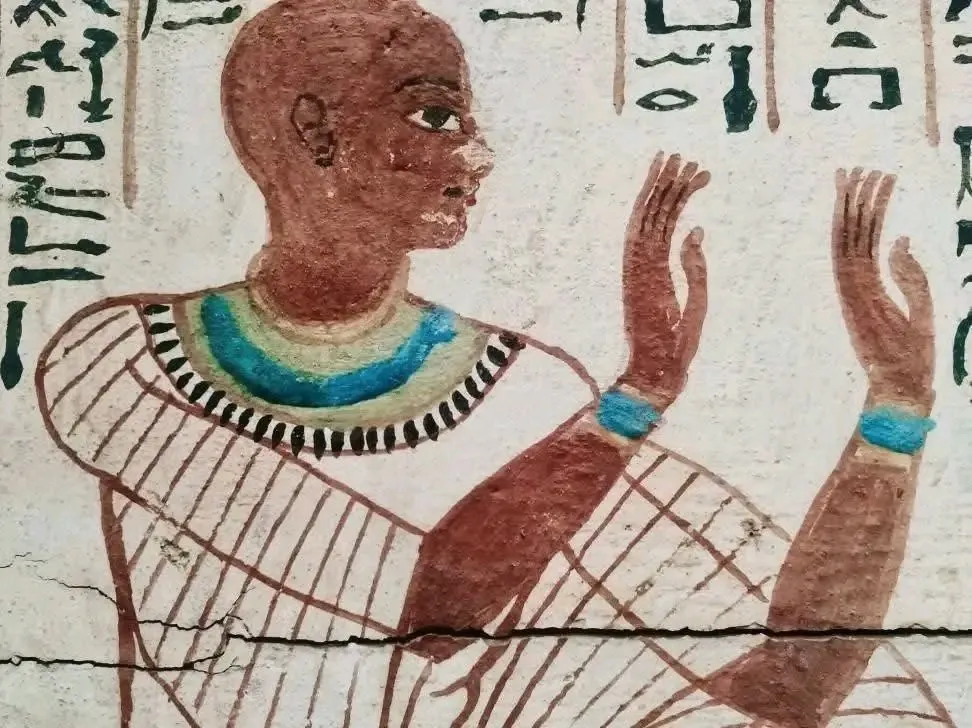
أما من الناحية الفنية والتاريخية، فإن الصندوق يقدم تفاصيل دقيقة عن هوية صاحبه، حيث يظهر باخرو في النقوش وهو يرتدي أرقى الملابس المميزة لعصر الدولة الحديثة، مما يعزز من صورته كرجل ذي جاه ونفوذ. وتصوره النقوش أيضاً في وضعية التعبد والخشوع أمام مائدة القرابين، وهي لقطة فنية شائعة تبرز البعد الروحي العميق والمعتقدات الجنائزية الشخصية لتلك الفترة. وتعود هذه القطعة النادرة إلى عصر الرعامسة وتحديداً الأسرة العشرين، وقد تم اكتشافها في جبانة العساسيف بالأقصر، لتظل شاهداً حياً على رقي الحضارة المصرية القديمة في المزاوجة بين الفن والعقيدة والإدارة.
The Egyptian Museum in Cairo showcases a unique artifact: the shabti box of a high-ranking official named Pakharu, who flourished during the New Kingdom. The significance of this piece lies in its role as a visual and social record, illustrating the prestigious status Pakharu held within the contemporary administrative and religious hierarchies. Bearing the title "Chief of Carpenters of the Domain of Amun," his role transcended mere craftsmanship; it was a high-level leadership responsibility that placed him in charge of all major woodwork within the Temple of Amun, reflecting his extensive influence and vital role in the maintenance and furnishing of one of ancient Egypt’s most sacred religious sites.
The ideological value of this box is manifested in its role as a quintessential example of funerary equipment intended to ensure a blissful afterlife. Ancient Egyptians believed that the "shabti" or "answerer" figurines housed within this box would miraculously come to life to perform any arduous labor or agricultural tasks required of the deceased in the Netherworld. Through this theological concept, Pakharu and other members of the elite sought to secure their eternal rest and immortality, highlighting the profound Egyptian belief in the continuity of work after death, albeit within a framework that guaranteed the deceased's tranquility and luxury.
From an artistic and historical perspective, the box provides meticulous details regarding its owner’s identity. The inscriptions depict Pakharu adorned in the refined attire characteristic of the New Kingdom, further cementing his image as a man of prestige and power. He is also portrayed in a devotional pose of pious worship before an offering table—a common iconographic motif that emphasizes the deep spiritual dimensions and personal funerary beliefs of the era. This rare artifact dates back to the Ramesside Period, specifically the 20th Dynasty, and was discovered in the El-Assasif necropolis in Luxor. It remains a living testament to the sophistication of ancient Egyptian civilization in harmonizing art, theology, and administration.
#المتحف_المصري #آثار_مصرية #الحضارة_المصرية #تاريخ_مصر #الكرنك
#EgyptianMuseum #AncientEgypt #Archaeology #Heritage
البوم الصور
اترك تعليقًا
آخر المقالات


اشترك في النشرة الإخبارية
احصل على آخر الأخبار في صندوق البريد الوارد الخاص بك

اشترك في النشرة الإخبارية
الأكثر مشاهدة
عرب

نماذج مشرفة
فن
أخبار مصر
المؤشرات
-
- سياسة
- أعمال
- إقتصاد
- العالم
- رياضة
- صحة
- علوم
- منوعات
- المعرض
- الصور
- الفيديو
- أزياء
- أخبار مصر
- محافظات
- مقالات
- فن
- عاجل
- حوادث
- مطبخ
- مرأة
- ثقافة
- ديني
- تعليم
- عرب
- جامعات
- طقس
- اشعار وخواطر
- بنوك
- برقيات
- شركات
- سيارات
- أدب
- أسواق
- أخبار
- حوار
- أحزاب
- نماذج مشرفة
- تقارير وتحقيقات
- قضايا
- تصريح
- العملات
- صناديق المؤشرات
- الاسهم
- العملات الرقمية
- شهادات
- السندات
- صناديق
- المؤشرات
- السلع
- التضخم
- تحليل أخبارية
- إتصل بنا
التعليقات الأخيرة