
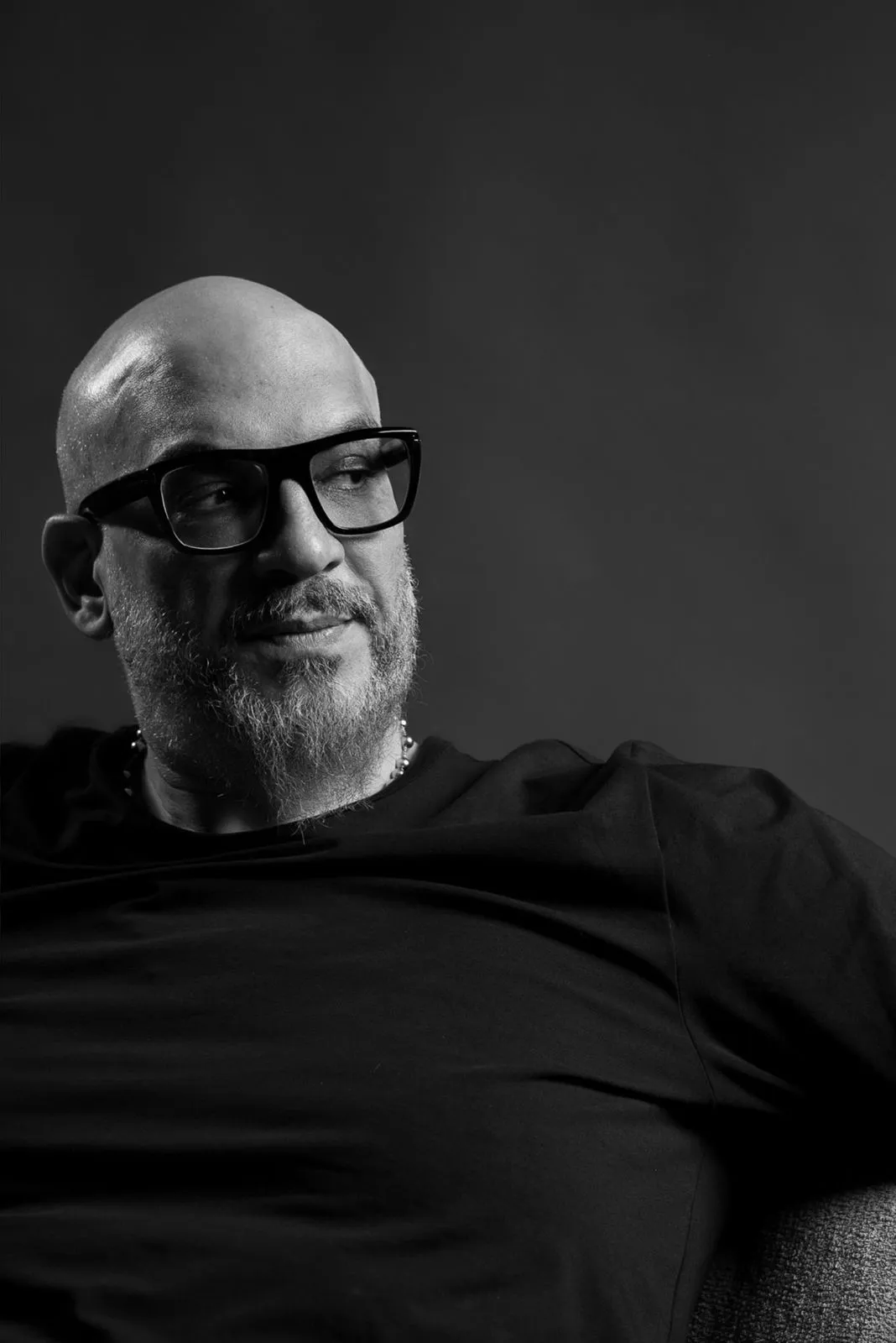
أحمد البطراوي: نموذج المتحف المصري والفرصة التاريخية لاستكمال بناء السوق العقاري المصري
أحمد البطراوي: نموذج المتحف المصري والفرصة التاريخية لاستكمال بناء السوق العقاري المصري
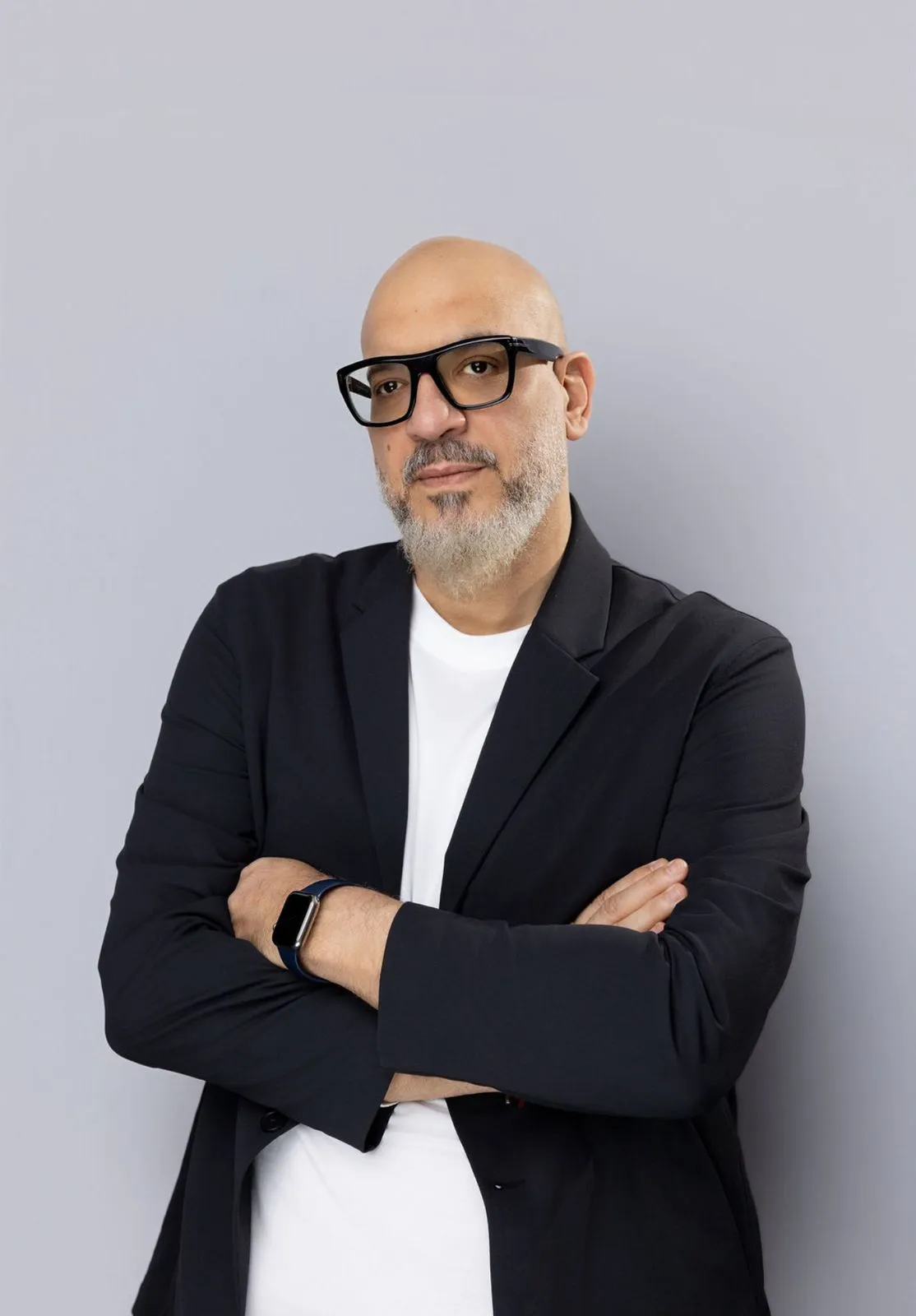
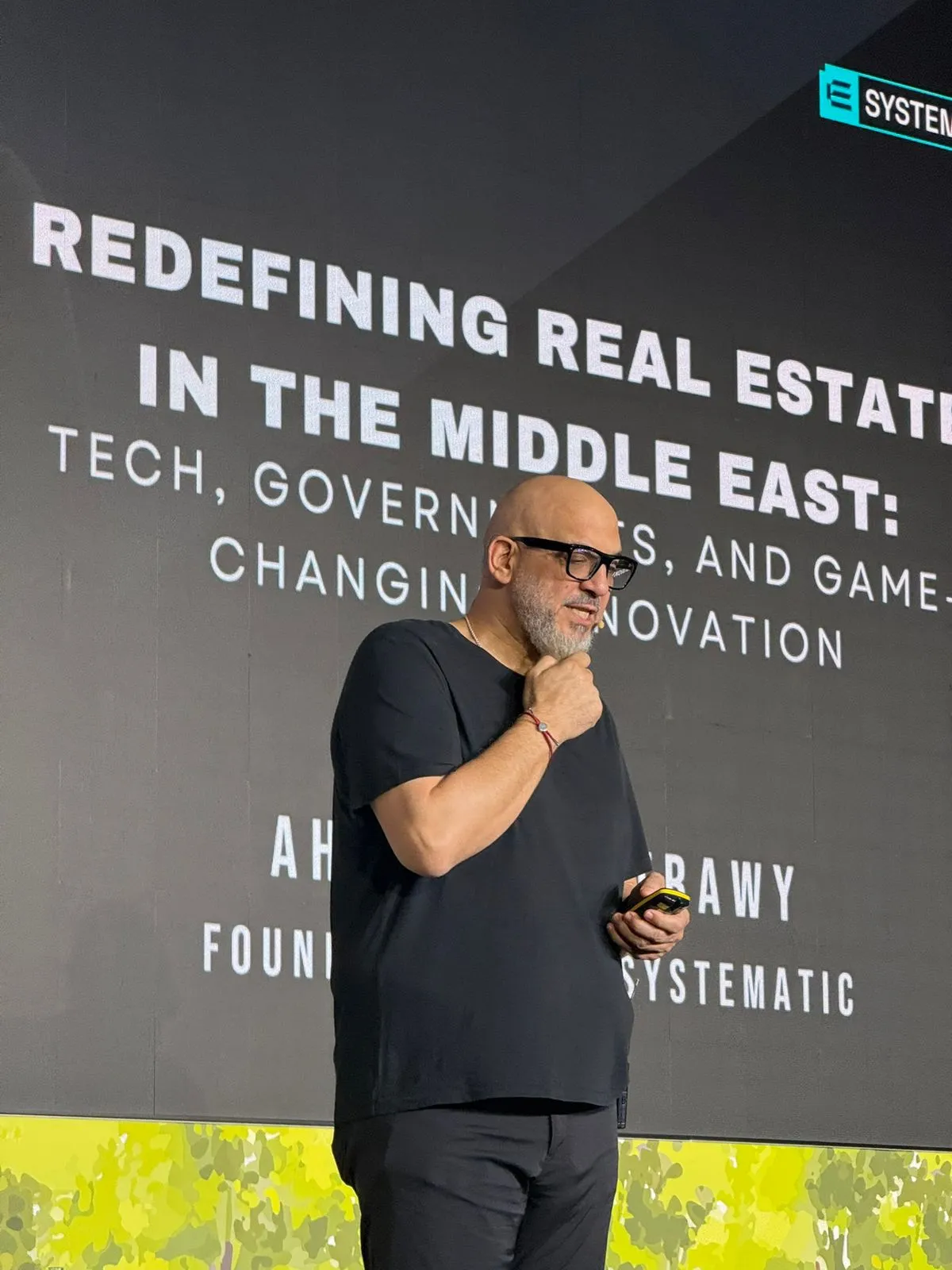
في لحظة فارقة تشهدها مصر على مختلف الأصعدة، دعا أحمد البطراوي، المؤسس ورئيس مجلس إدارة منصة “مصر العقارية” الرسمية، إلى استثمار الزخم الوطني الناتج عن افتتاح المتحف المصري الكبير في إطلاق مرحلة جديدة من استكمال تطوير واستكمال بناء السوق العقاري المصري، تقوم على التنظيم، والشفافية، والتحول الرقمي الشامل، بما يواكب المكانة الاقتصادية التي تسعى مصر لترسيخها إقليميًا ودوليًا.
وقال البطراوي: “كما استطاع المتحف المصري الكبير أن يقدم للعالم نموذجًا فريدًا يجمع بين الأصالة والإدارة الحديثة والتكنولوجيا المتقدمة، فإن القطاع العقاري اليوم أمام فرصة مماثلة ليكون عنوانًا جديدًا لمصر القادرة على التنظيم والإتقان والحوكمة الرشيدة”.
وأضاف أن الدولة المصرية نجحت في السنوات الماضية في تنفيذ مشروعات قومية كبرى ومعمارية مبهرة بمعايير عالمية، وهو ما يؤهلها الآن للانتقال إلى المرحلة التالية من التطوير، مرحلة استكمال بناء سوق عقاري منظم، قائم على البيانات الدقيقة، والثقة، والحوكمة.
وأكد البطراوي أن التوسع في إنشاء المدن الجديدة والبنية التحتية المتطورة يمثل إنجازًا لا يُنكر، لكن المرحلة المقبلة تتطلب ما هو أعمق من البناء المادي، موضحًا أن “السوق العقاري المنظم هو الضمان الحقيقي لحماية حقوق المواطنين والمستثمرين، وبناء بيئة استثمارية جاذبة قائمة على المصداقية والاحترافية”.
وأشار البطراوي إلى أن تحقيق الثقة في السوق لا يمكن أن يتم دون نظام عقاري رقمي موحد، يضم بيانات الملكية، وتاريخ التعاملات، والأسعار الفعلية للعقارات.
وأوضح أن هذا النظام يمثل “ضرورة وطنية للإصلاح”، إذ سيسهم في توحيد المعلومات، ومنع تضارب البيانات، وتوفير قاعدة بيانات دقيقة تدعم اتخاذ القرار، وتُعزز من ثقة المستثمرين في السوق المصري.
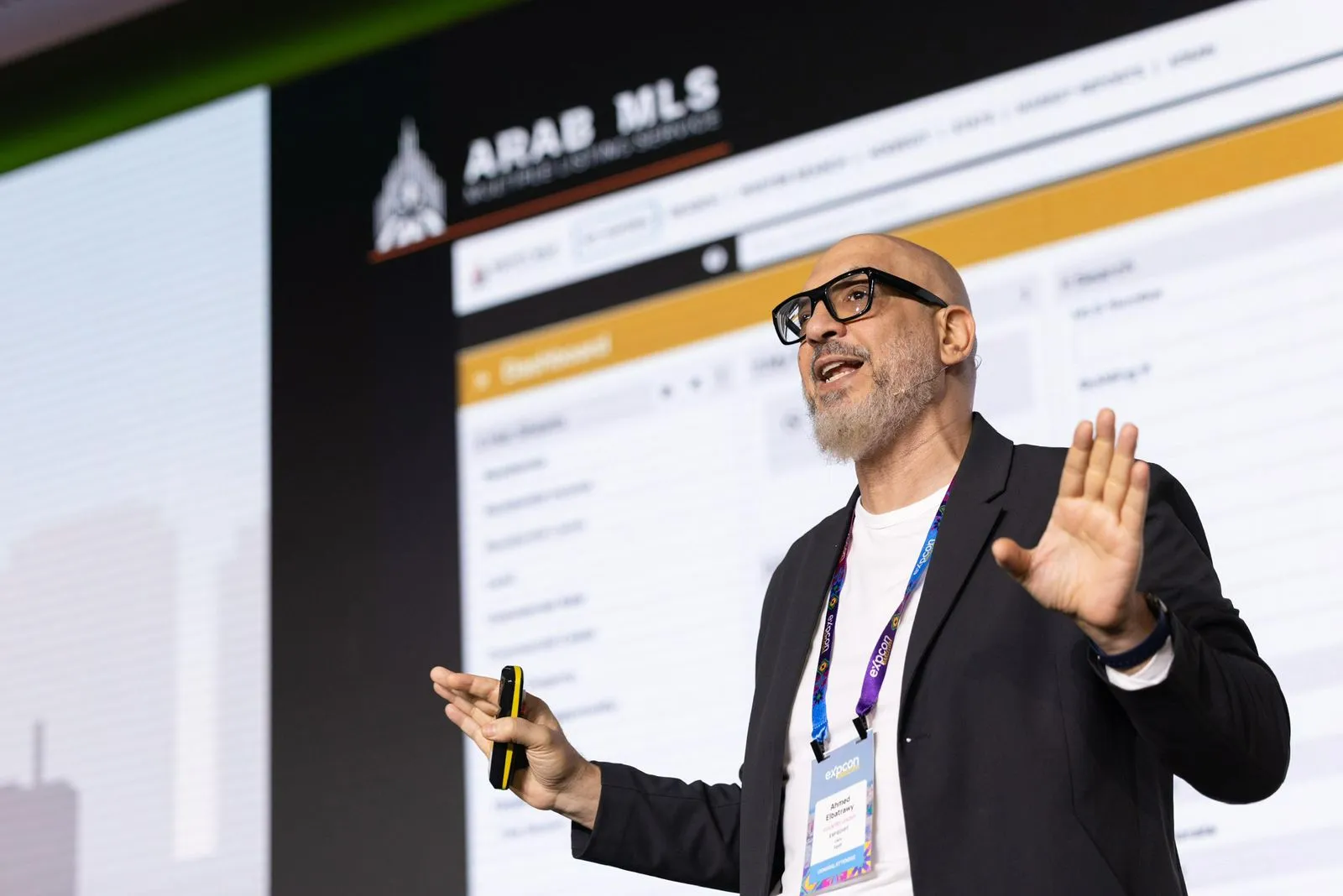
ولفت البطراوي إلى أن الإصلاح العقاري في مصر يجب أن يقوم على أربع ركائز رئيسية: وهي تنظيم المطورين والإعلانات العقارية لضمان طرح المشاريع وفق اشتراطات قانونية وفنية ومالية مكتملة، وتوحيد قواعد البيانات والمعلومات العقارية لتستند قرارات التطوير إلى بيانات رسمية موثوقة، وتفعيل حسابات الضمان العقارية (Escrow Accounts) لحماية أموال المشترين وربط التمويل بالتنفيذ الفعلي، وتطبيق الرقم العقاري الموحد والرقم البيعي وفق نظام MLS بوصفه ضرورة أساسية للسوق العقاري المصري لتوثيق جميع المعاملات ومنع تضارب الأسعار.
واختتم البطراوي قائلًا: “إننا أمام فرصة تاريخية لاستكمال بناء نموذج عقاري عربي رائد، يستند إلى الشفافية والتنظيم والتكنولوجيا الحديثة، ويمهد لأن تصبح مصر مركزًا إقليميًا للبيانات العقارية والمعلومات الاستثمارية في الشرق الأوسط”.
وأكد أن المرحلة القادمة تتطلب استمرار النهج الإصلاحي بنفس العزيمة والحسم، بما يضمن استكمال بناء سوق عقاري حديث يواكب رؤية مصر 2030، ويعكس صورتها كدولة قادرة على المنافسة وجذب الاستثمارات النوعية في أحد أكثر القطاعات حيوية وتأثيرًا في الاقتصاد الوطني.
Ahmed ElBatrawy: The Grand Egyptian Museum Model and Egypt’s Historic Opportunity to Continue Building Its Real Estate Market
In a defining moment for Egypt’s ongoing economic and urban transformation, prominent real estate expert and Founder & Chairman of the official Masr Real Estate Platform, Ahmed ElBatrawy, called for capitalizing on the national momentum created by the opening of the Grand Egyptian Museum to usher in a new era of development focused on continuing to develop and continue building a structured, transparent, and digitally-driven real estate market aligned with Egypt’s regional and global economic ambitions.
ElBatrawy stated, “Just as the Grand Egyptian Museum has presented to the world a unique model that seamlessly blends heritage, modern management, and advanced technology, the real estate sector today stands before a similar opportunity — to become a new symbol of Egypt’s capability, precision, and professional governance.”
He added that the Egyptian state has successfully executed several landmark national and architectural projects that meet global standards in recent years, positioning it to move to the next stage — continuing to build a structured real estate market founded on data accuracy, transparency, and trust.
ElBatrawy emphasized that Egypt’s expansion in developing new cities and modern infrastructure represents a remarkable achievement. However, he noted that the next phase must go beyond physical construction, explaining that “a regulated and transparent market is the true safeguard for protecting citizens’ and investors’ rights, and for building a credible, professional investment environment.”
According to ElBatrawy, market confidence cannot be achieved without a unified digital real estate system that consolidates ownership records, transaction histories, and actual property prices.
He described this system as a “national necessity for reform”, one that would integrate data, eliminate inconsistencies, provide reliable information for decision-making, and enhance investor confidence in the Egyptian market.
ElBatrawy highlighted four key pillars: regulating developers and real estate advertising; unifying real estate data; activating escrow accounts; and implementing a unified property identification and formal MLS system — a necessary requirement for Egypt’s real estate future to document all transactions, ensure transparency, and prevent price inconsistencies.
ElBatrawy concluded, “Egypt stands before a historic opportunity to present a pioneering Arab model for real estate built on transparency, organization, and advanced technology — laying the foundation for the country to become a regional hub for real estate data and investment intelligence in the Middle East.”
He reaffirmed that the next phase requires maintaining the same momentum and determination toward reform, ensuring the establishment and continuation of building a modern, competitive real estate market aligned with Egypt’s Vision 2030, and reflecting the country’s ability to attract high-value, quality investments in one of its most important economic sectors.
البوم الصور
اترك تعليقًا
آخر المقالات


اشترك في النشرة الإخبارية
احصل على آخر الأخبار في صندوق البريد الوارد الخاص بك

اشترك في النشرة الإخبارية
الأكثر مشاهدة
عرب

نماذج مشرفة
فن
أخبار مصر
المؤشرات
-
- سياسة
- أعمال
- إقتصاد
- العالم
- رياضة
- صحة
- علوم
- منوعات
- المعرض
- الصور
- الفيديو
- أزياء
- أخبار مصر
- محافظات
- مقالات
- فن
- عاجل
- حوادث
- مطبخ
- مرأة
- ثقافة
- ديني
- تعليم
- عرب
- جامعات
- طقس
- اشعار وخواطر
- بنوك
- برقيات
- شركات
- سيارات
- أدب
- أسواق
- أخبار
- حوار
- أحزاب
- نماذج مشرفة
- تقارير وتحقيقات
- قضايا
- تصريح
- العملات
- صناديق المؤشرات
- الاسهم
- العملات الرقمية
- شهادات
- السندات
- صناديق
- المؤشرات
- السلع
- التضخم
- تحليل أخبارية
- إتصل بنا
التعليقات الأخيرة