

Fiber Optic Sensing Technologies in Pipelines
Written by Dr.Nabil Sameh
Introduction
Pipeline systems are among the most critical infrastructures in the oil and gas industry. They transport crude oil, natural gas, refined products, chemicals, and water across long distances under varying environmental and operational conditions. Because pipelines often extend through deserts, offshore regions, mountains, urban areas, and remote environments, continuous monitoring is essential to ensure safety, reliability, efficiency, and environmental protection.
Traditional monitoring systems have limitations in detecting small leaks, mechanical deformation, corrosion progression, ground movement, and unauthorized activities in real time. As pipeline networks become more complex and environmental regulations become stricter, advanced monitoring technologies have become increasingly important. Among these technologies, fiber optic sensing systems have emerged as one of the most advanced and reliable solutions for modern pipeline surveillance and integrity management.
Fiber optic sensing technologies use optical fibers not only for communication but also as highly sensitive sensing elements capable of detecting temperature changes, vibrations, strain, acoustic signals, and structural disturbances along entire pipeline routes. These systems provide continuous and distributed monitoring over very long distances while operating effectively in harsh environments.
The integration of fiber optic sensing technologies into pipeline operations represents a major advancement in digital transformation within the oil and gas industry. These technologies improve operational awareness, reduce environmental risks, enhance asset integrity management, and support predictive maintenance strategies. Their ability to deliver real-time monitoring with high sensitivity makes them particularly valuable for offshore pipelines, subsea systems, remote transportation corridors, and high-risk operational environments.
This article discusses the theoretical foundations, operational principles, applications, advantages, challenges, and future developments of fiber optic sensing technologies in pipelines through seven main technical points.
1. Fundamentals of Fiber Optic Sensing Technology
Fiber optic sensing technology is based on the transmission of light signals through optical fibers made primarily of glass or specialized polymers. These fibers are extremely thin, lightweight, and capable of transmitting light over long distances with minimal signal loss. In sensing applications, changes occurring around the optical fiber affect the properties of the transmitted light, allowing the system to detect and interpret physical events.
Unlike conventional electronic sensors that require multiple discrete devices distributed along a pipeline, fiber optic systems can provide continuous sensing across the entire length of the fiber. This capability allows operators to monitor thousands of kilometers using a single sensing cable.
The core principle of fiber optic sensing relies on detecting variations in light characteristics such as intensity, phase, wavelength, or scattering behavior. Environmental changes surrounding the pipeline influence these optical properties, enabling the system to identify disturbances and operational abnormalities.
Fiber optic sensing systems are generally classified into two categories:
Point sensing systems
Distributed sensing systems
Point sensing systems monitor specific locations, while distributed sensing systems provide continuous monitoring along the entire fiber length. Distributed systems are especially important in pipeline applications because they can detect leaks, vibrations, temperature changes, and structural deformation at any point along the pipeline route.
Another important characteristic of fiber optic sensors is their immunity to electromagnetic interference. Since optical fibers transmit light rather than electrical signals, they are unaffected by electromagnetic noise generated by industrial equipment, power lines, or lightning. This makes them highly reliable in harsh oil and gas environments.
Additionally, optical fibers are corrosion resistant and capable of operating in high-temperature, high-pressure, and chemically aggressive conditions. These properties contribute to their growing adoption in both onshore and offshore pipeline systems.
2. Distributed Temperature Sensing in Pipelines
Distributed Temperature Sensing is one of the most widely used fiber optic technologies in pipeline monitoring. This technology continuously measures temperature profiles along the entire pipeline length with high spatial resolution.
Temperature variations are important indicators of abnormal pipeline conditions. For example, leaks often produce localized temperature anomalies because escaping fluids alter the thermal characteristics of the surrounding environment. By identifying unexpected temperature changes, operators can detect leaks at very early stages before they become major environmental or operational hazards.
In oil and gas pipelines, temperature monitoring also supports flow assurance management. Temperature changes can indicate wax deposition, hydrate formation, insulation degradation, or abnormal flow conditions. Continuous thermal surveillance helps operators optimize production and transportation processes while reducing downtime.
Distributed temperature sensing systems are especially valuable in subsea pipelines where direct inspection is difficult and expensive. Offshore pipelines operate under complex environmental conditions involving low temperatures, high pressures, and challenging accessibility. Fiber optic systems provide continuous monitoring without requiring frequent physical intervention.
Another important application involves monitoring thermal stresses during pipeline startup and shutdown operations.
Rapid temperature fluctuations can contribute to material fatigue and structural damage over time. Distributed sensing technologies help engineers evaluate thermal behavior and improve pipeline integrity management.
The technology is also beneficial in detecting unauthorized excavation activities near buried pipelines. Soil disturbances and equipment movement can generate thermal changes detectable by the fiber optic system, enabling early security warnings.
The increasing integration of distributed temperature sensing with digital monitoring platforms and supervisory control systems is enhancing real-time operational visibility across modern pipeline networks.
3. Distributed Acoustic Sensing and Vibration Monitoring
Distributed Acoustic Sensing is another major advancement in fiber optic pipeline surveillance. This technology transforms optical fibers into continuous acoustic sensors capable of detecting vibrations and sound waves along the pipeline route.
Acoustic sensing systems identify disturbances generated by activities such as:
Pipeline leaks
Mechanical impacts
Excavation equipment
Vehicle movement
Structural vibrations
Unauthorized intrusions
When a pipeline leak occurs, escaping fluid creates acoustic signals and pressure disturbances that travel through the surrounding environment. Distributed acoustic sensing systems can detect these signals and determine the approximate leak location in real time.
One of the most important advantages of this technology is its ability to monitor extensive pipeline corridors continuously. Instead of relying on isolated sensors placed at specific intervals, the entire optical fiber acts as a sensing element.
Pipeline security is another critical application. Illegal tapping, vandalism, sabotage, and unauthorized excavation represent major threats to pipeline infrastructure. Distributed acoustic sensing technologies can identify suspicious activities before physical damage occurs, significantly improving security management.
In offshore environments, acoustic sensing systems support subsea integrity monitoring by detecting anchor dragging, fishing activities, and underwater disturbances that could damage pipelines.
The technology also contributes to predictive maintenance by identifying abnormal vibration patterns associated with pumps, compressors, valves, and flow instabilities. Early detection of unusual mechanical behavior allows operators to perform maintenance before equipment failures occur.
As machine learning and artificial intelligence technologies continue to evolve, acoustic sensing systems are becoming more intelligent in distinguishing between normal operational sounds and hazardous events, reducing false alarms and improving detection accuracy.
4. Strain and Structural Health Monitoring
Pipeline systems are continuously exposed to mechanical stresses caused by internal pressure, temperature variations, soil movement, seismic activity, corrosion, and operational loading conditions. Fiber optic sensing technologies play a major role in structural health monitoring by detecting strain and deformation along pipelines.
Strain monitoring systems measure changes in the physical dimensions of the optical fiber caused by external forces acting on the pipeline structure. These measurements help engineers identify areas experiencing abnormal stress concentrations or structural instability.
Ground movement represents one of the most serious risks to pipeline integrity. Landslides, subsidence, earthquakes, frost heave, and soil erosion can create excessive strain that may eventually lead to pipeline failure. Fiber optic strain sensing technologies provide continuous monitoring of these geotechnical hazards.
In offshore pipelines, seabed instability and underwater currents can also generate structural stresses. Continuous strain monitoring improves the understanding of subsea pipeline behavior under dynamic environmental conditions.
Structural health monitoring systems support integrity management programs by providing early warning indicators before visible damage occurs. Instead of relying solely on periodic inspections, operators can continuously evaluate pipeline conditions in real time.
Another advantage is the ability to monitor difficult-to-access locations such as deepwater pipelines, buried transportation corridors, arctic regions, and remote desert environments. Fiber optic systems reduce dependence on manual inspections while improving operational safety.
Modern structural monitoring systems are increasingly integrated with digital twins and advanced analytics platforms. This integration allows operators to simulate pipeline behavior, evaluate risk scenarios, and optimize maintenance planning using real-time field data.
The use of fiber optic strain sensing technologies significantly enhances long-term pipeline reliability and supports safer transportation operations across complex environments.
5. Advantages of Fiber Optic Sensing Technologies in Pipelines
Fiber optic sensing systems offer numerous advantages compared with conventional monitoring technologies. These advantages explain their growing importance in modern oil and gas infrastructure.
One major advantage is continuous distributed monitoring. Unlike traditional sensors that only monitor isolated locations, fiber optic systems provide uninterrupted coverage along the entire pipeline route. This improves detection capability and reduces blind spots.
High sensitivity is another important benefit. Fiber optic technologies can detect very small temperature changes, vibrations, acoustic signals, and strain variations, enabling early identification of operational abnormalities.
Long-distance monitoring capability is particularly valuable in large pipeline networks. Single fiber optic systems can monitor hundreds of kilometers without requiring extensive field instrumentation.
The technology also demonstrates exceptional reliability in harsh environments. Optical fibers are resistant to corrosion, moisture, chemicals, pressure, and extreme temperatures, making them suitable for offshore and subsea applications.
Immunity to electromagnetic interference provides another operational advantage. Since optical fibers use light transmission rather than electrical signals, they maintain stable performance near electrical equipment and high-voltage infrastructure.
Fiber optic systems also support real-time monitoring and rapid incident response. Early detection of leaks, intrusions, or structural problems reduces environmental damage, operational downtime, and financial losses.
Another major advantage involves operational safety. Fiber optic sensors are passive devices that do not generate electrical sparks, making them suitable for hazardous oil and gas environments.
In addition, these technologies contribute to environmental sustainability by minimizing leak duration, reducing product losses, and improving infrastructure integrity management.
The scalability of fiber optic sensing systems further supports their adoption in digital oilfield operations and smart pipeline networks.
6. Challenges and Limitations of Fiber Optic Pipeline Monitoring
Despite their numerous advantages, fiber optic sensing technologies also face several technical and operational challenges.
One major challenge is the high initial installation cost. Deploying fiber optic infrastructure over long pipeline routes requires significant investment in cables, sensing equipment, installation procedures, and monitoring systems.
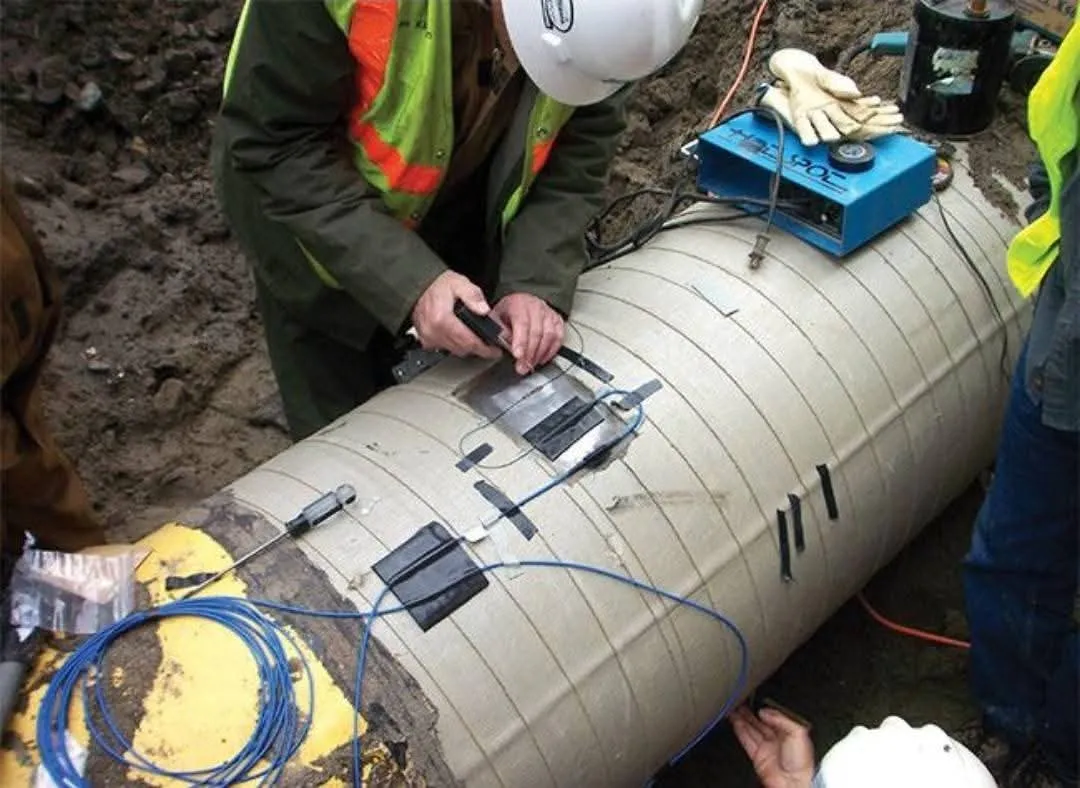
Installation complexity can also be a concern, especially for existing pipelines. Retrofitting older pipeline systems with fiber optic cables may require operational interruptions or specialized installation techniques.
Data management represents another significant challenge. Distributed sensing systems generate massive volumes of continuous real-time data that require advanced processing, storage, and interpretation capabilities.
Signal interpretation can sometimes be difficult because environmental noise and operational activities may produce signals similar to actual leak or intrusion events. Distinguishing between harmless and hazardous events requires sophisticated algorithms and advanced analytics.
Maintenance and repair of damaged optical fibers can also be challenging in remote or subsea environments. Physical damage to sensing cables may reduce monitoring effectiveness and require costly intervention procedures.
Another limitation involves sensitivity optimization. Extremely high sensitivity may increase false alarms, while insufficient sensitivity may reduce detection accuracy.
Achieving optimal system calibration is essential for reliable operation.
Environmental conditions such as temperature fluctuations, soil characteristics, and underwater currents may also influence sensing performance and require careful system design considerations.
Cybersecurity is becoming an increasingly important issue as fiber optic monitoring systems become integrated with digital networks and remote operational platforms. Protecting sensitive operational data from cyber threats is critical for maintaining infrastructure security.
Despite these challenges, continuous technological advancements are improving the reliability, affordability, and intelligence of fiber optic sensing systems.
7. Future Trends of Fiber Optic Sensing in Pipeline Systems
The future of fiber optic sensing technologies in pipelines is closely connected to the broader digital transformation occurring across the oil and gas industry.
Artificial intelligence and machine learning are expected to significantly improve event recognition and anomaly detection capabilities. Intelligent algorithms will enhance the ability of sensing systems to differentiate between operational noise and genuine threats.
Integration with digital twin technology will also become increasingly important. Real-time sensing data combined with virtual pipeline models will enable predictive maintenance, structural forecasting, and advanced risk analysis.
Edge computing technologies are expected to improve response speed by processing sensing data closer to the pipeline location rather than relying entirely on centralized systems. This will support faster decision-making and reduce communication latency.
The expansion of subsea developments and deepwater projects will further increase demand for advanced fiber optic monitoring systems capable of operating in harsh offshore environments.
Another emerging trend involves combining multiple sensing functions within a single optical fiber. Future systems may simultaneously monitor temperature, acoustic signals, strain, pressure, and chemical conditions using integrated sensing platforms.
Miniaturization and improved durability of optical components are also expected to reduce installation costs and improve long-term operational reliability.
Smart pipeline systems equipped with autonomous monitoring capabilities will likely become standard infrastructure in future energy transportation networks. These systems will support safer operations, lower environmental risks, and improved energy efficiency.
Fiber optic sensing technologies may also play an important role in future hydrogen transportation systems and carbon capture infrastructure, where continuous integrity monitoring will be essential.
As the industry continues moving toward intelligent and automated operations, fiber optic sensing technologies will remain a fundamental component of next-generation pipeline management systems.
Conclusion
Fiber optic sensing technologies have transformed pipeline monitoring and integrity management within the oil and gas industry. Their ability to provide continuous, real-time, distributed sensing over long distances has significantly improved operational safety, environmental protection, and infrastructure reliability.
Technologies such as distributed temperature sensing, distributed acoustic sensing, and strain monitoring provide valuable insights into pipeline behavior under complex operational and environmental conditions. These systems support early leak detection, intrusion monitoring, predictive maintenance, and structural health assessment.
Although challenges related to installation cost, data interpretation, and system integration still exist, ongoing advancements in artificial intelligence, digital transformation, and smart infrastructure are continuously improving the effectiveness of fiber optic sensing systems.
The future of pipeline operations will increasingly depend on intelligent monitoring technologies capable of supporting autonomous decision-making, predictive analytics, and sustainable energy transportation. In this evolving landscape, fiber optic sensing technologies will continue to play a central role in ensuring safer, smarter, and more efficient pipeline networks worldwide.
Written by Dr.Nabil Sameh
-Business Development Manager (BDM) at Nileco Company
-Certified International Petroleum Trainer
-Professor in multiple training consulting companies & academies, including Enviro Oil, ZAD Academy, and Deep Horizon , Etc.
-Lecturer at universities inside and outside Egypt
-Contributor of petroleum sector articles for Petrocraft and Petrotoday magazines, Etc.
البوم الصور
اترك تعليقًا

آخر المقالات



اشترك في النشرة الإخبارية
احصل على آخر الأخبار في صندوق البريد الوارد الخاص بك

اشترك في النشرة الإخبارية
الأكثر مشاهدة
عرب

نماذج مشرفة

فن

أخبار مصر

المؤشرات

-
- سياسة
- أعمال
- إقتصاد
- العالم
- رياضة
- صحة
- علوم
- منوعات
- المعرض
- الصور
- الفيديو
- أزياء
- أخبار مصر
- محافظات
- مقالات
- فن
- عاجل
- حوادث
- مطبخ
- مرأة
- ثقافة
- ديني
- تعليم
- عرب
- جامعات
- طقس
- اشعار وخواطر
- بنوك
- برقيات
- شركات
- سيارات
- أدب
- أسواق
- أخبار
- حوار
- أحزاب
- نماذج مشرفة
- تقارير وتحقيقات
- قضايا
- تصريح
- العملات
- صناديق المؤشرات
- الاسهم
- العملات الرقمية
- شهادات
- السندات
- صناديق
- المؤشرات
- السلع
- التضخم
- تحليل أخبارية
- إتصل بنا
التعليقات الأخيرة