
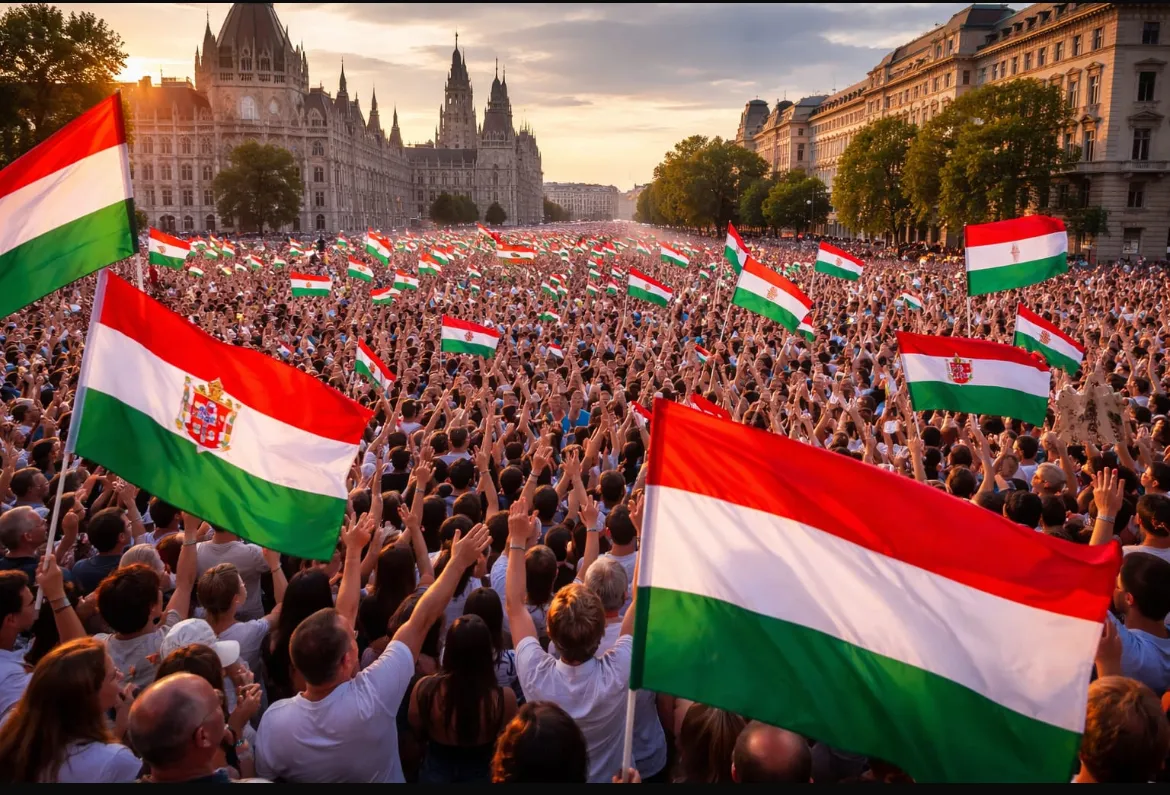
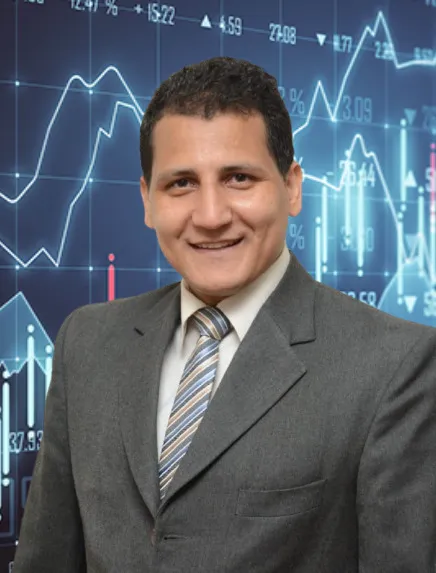
Media Figure Dr. Magdy Kamel ElHawary Writes : The Hungarian People Reclaim Their State After 16 Years of Authoritarian Rule?
At a pivotal moment in Eastern Europe’s history, the Hungarian people stand on the threshold of a new era—one defined by reclaiming their state after more than 16 years under the dominance of Prime Minister Viktor Orbán. Throughout this period, he consolidated power and imposed a controversial political model that blended hardline nationalism with restrictions on freedoms under the banner of “illiberal democracy.”
Over the years, Orbán succeeded in reshaping Hungary’s political landscape in profound ways. He tightened control over the media, weakened judicial independence, and restructured electoral laws in ways that helped secure his continued grip on power. While some relative economic successes were achieved, the cost was significant in terms of public freedoms and human rights.
But nations do not forget… and they do not surrender forever.
In a decisive electoral moment, Hungarians expressed their true will, breaking the cycle of control and redrawing their country’s future. Citizens headed to the polls with renewed determination, driven by a powerful desire for change and for restoring balance between authority and society, between the state and its people.
What has taken place in Hungary is not merely a routine political shift, but a broader European and global message: democracy, even when eroded, retains the capacity to rise again. And that people—no matter how long they endure—ultimately hold the final word.
The real challenge now lies not only in dismantling the previous ruling model, but in building a credible alternative capable of repairing what has been damaged, restoring trust in state institutions, ensuring their independence, and reopening public space for political and media pluralism.
The incoming government also faces a difficult test: achieving a balance between internal reform and maintaining national stability, particularly amid global economic challenges and regional tensions casting shadows across Europe.
What has happened in Hungary raises a fundamental question: can democracy renew itself from within? The answer, it seems, is yes—but at a cost, through long struggle, and with the will of a people who refuse to have their future permanently taken from them.
The Hungarian people have spoken… and reclaimed their state.
The question now remains: will other regimes learn from this lesson
اترك تعليقًا

آخر المقالات


اشترك في النشرة الإخبارية
احصل على آخر الأخبار في صندوق البريد الوارد الخاص بك

اشترك في النشرة الإخبارية
الأكثر مشاهدة
عرب

نماذج مشرفة
فن
أخبار مصر
المؤشرات
-
- سياسة
- أعمال
- إقتصاد
- العالم
- رياضة
- صحة
- علوم
- منوعات
- المعرض
- الصور
- الفيديو
- أزياء
- أخبار مصر
- محافظات
- مقالات
- فن
- عاجل
- حوادث
- مطبخ
- مرأة
- ثقافة
- ديني
- تعليم
- عرب
- جامعات
- طقس
- اشعار وخواطر
- بنوك
- برقيات
- شركات
- سيارات
- أدب
- أسواق
- أخبار
- حوار
- أحزاب
- نماذج مشرفة
- تقارير وتحقيقات
- قضايا
- تصريح
- العملات
- صناديق المؤشرات
- الاسهم
- العملات الرقمية
- شهادات
- السندات
- صناديق
- المؤشرات
- السلع
- التضخم
- تحليل أخبارية
- إتصل بنا
التعليقات الأخيرة