
كتب يحي الداخلى ماذا تعرف عن رمزية الخلود في الفن المصري القديم
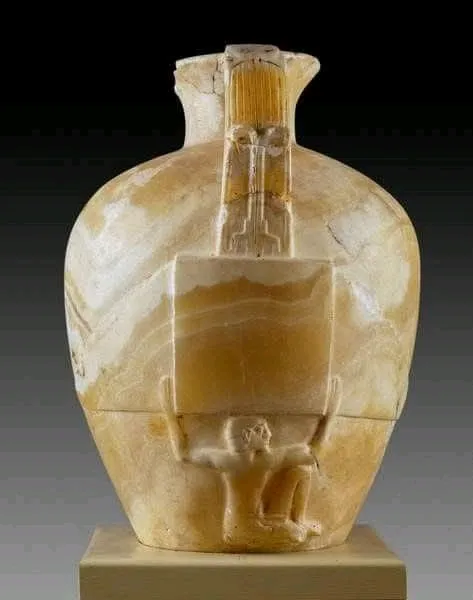
يُعد هذا الإناء المصنوع من مادة "الألباستر" قطعة فنية نادرة تجسد تطلعات الملوك في مصر القديمة نحو الأبدية. يبرز على الإناء نقش للمعبود "حج" وهو يرفع يديه عالياً، وهي الهيئة التي ترمز في اللغة الهيروغليفية إلى عبارة "ملايين السنين"؛ مما يعكس رغبة الملك في دوام حكمه واستمراره إلى ما لا نهاية.
يكشف تصميم مقبض الإناء عن تفاصيل دقيقة تتعلق باحتفالات "عيد سد" أو عيد تجديد الحكم. يظهر المعبود وهو يحمل منصة مربعة تعلوها مقصورة مزدوجة وعرشان، وهي المنصة التي كان الملك يستخدمها خلال هذا الاحتفال المهيب. كان هذا العيد يُقام تقليدياً بعد مرور ثلاثين عاماً على تولي الملك العرش، ثم يتكرر كل ثلاث سنوات، بهدف استعادة القوة البدنية والنشاط وتجديد شرعية الحكم وسط طقوس احتفالية مهيبة.
لم يغفل الفنان المصري القديم عن إضافة الرموز الروحية، حيث نجد "الجعران" يستقر في أعلى مقبض الإناء، وهو الرمز الأشهر في الحضارة المصرية الذي يشير إلى إعادة البعث والميلاد من جديد. تكتمل روعة القطعة بتاريخها العريق الذي يعود إلى عصر الأسرة الثانية (ما بين 2750 - 2649 ق.م)، وقد عُثر عليها في منطقة سقارة وتحديداً في محيط الهرم المدرج.
ألباستر. الأسرة الثانية (العصر العتيق).سقارة - الهرم المدرج.
Symbolism of Eternity in Ancient Egyptian Art
This alabaster vessel is a rare masterpiece embodying the aspirations of Ancient Egyptian monarchs for eternal life. The vessel features an exquisite relief of the deity "Heh" with upraised arms—a pose that signifies "millions of years" in hieroglyphic script. This iconography reflects the king's profound desire for an everlasting reign and infinite continuity.
The intricate design of the vessel’s handle reveals meticulous details pertaining to the "Sed Festival" (Heb-Sed) or the Jubilee of the King. The deity is depicted supporting a square dais surmounted by a double pavilion and two thrones—the very platform used by the sovereign during this majestic ceremony. Traditionally celebrated after thirty years of rule and repeated every three years thereafter, this festival served to ritually rejuvenate the king's physical prowess and spiritual vitality, reaffirming his divine right to rule.
The ancient artisan also integrated spiritual motifs of rebirth; a scarab sits atop the handle, serving as the preeminent Egyptian symbol for resurrection and spontaneous creation. This remarkable artifact dates back to the Second Dynasty (c. 2750–2649 BC) and was discovered within the Step Pyramid complex at Saqqara.
Technical Profile:
Material: Alabaster (Calcite).
Period: Second Dynasty (Early Dynastic Period).
Provenance: Saqqara - Step Pyramid Complex.
#AncientEgypt #EgyptianMuseum #Archaeology #KingDjoser #Saqqara #EgyptianArt #PharaonicHistory #HebSed #Hieroglyphics #AncientCivilization #MuseumArtifacts #EternalEgypt
اترك تعليقًا

آخر المقالات




اشترك في النشرة الإخبارية
احصل على آخر الأخبار في صندوق البريد الوارد الخاص بك

اشترك في النشرة الإخبارية
الأكثر مشاهدة
عرب

نماذج مشرفة

فن

أخبار مصر

المؤشرات

-
- سياسة
- أعمال
- إقتصاد
- العالم
- رياضة
- صحة
- علوم
- منوعات
- المعرض
- الصور
- الفيديو
- أزياء
- أخبار مصر
- محافظات
- مقالات
- فن
- عاجل
- حوادث
- مطبخ
- مرأة
- ثقافة
- ديني
- تعليم
- عرب
- جامعات
- طقس
- اشعار وخواطر
- بنوك
- برقيات
- شركات
- سيارات
- أدب
- أسواق
- أخبار
- حوار
- أحزاب
- نماذج مشرفة
- تقارير وتحقيقات
- قضايا
- تصريح
- العملات
- صناديق المؤشرات
- الاسهم
- العملات الرقمية
- شهادات
- السندات
- صناديق
- المؤشرات
- السلع
- التضخم
- تحليل أخبارية
- إتصل بنا
التعليقات الأخيرة